
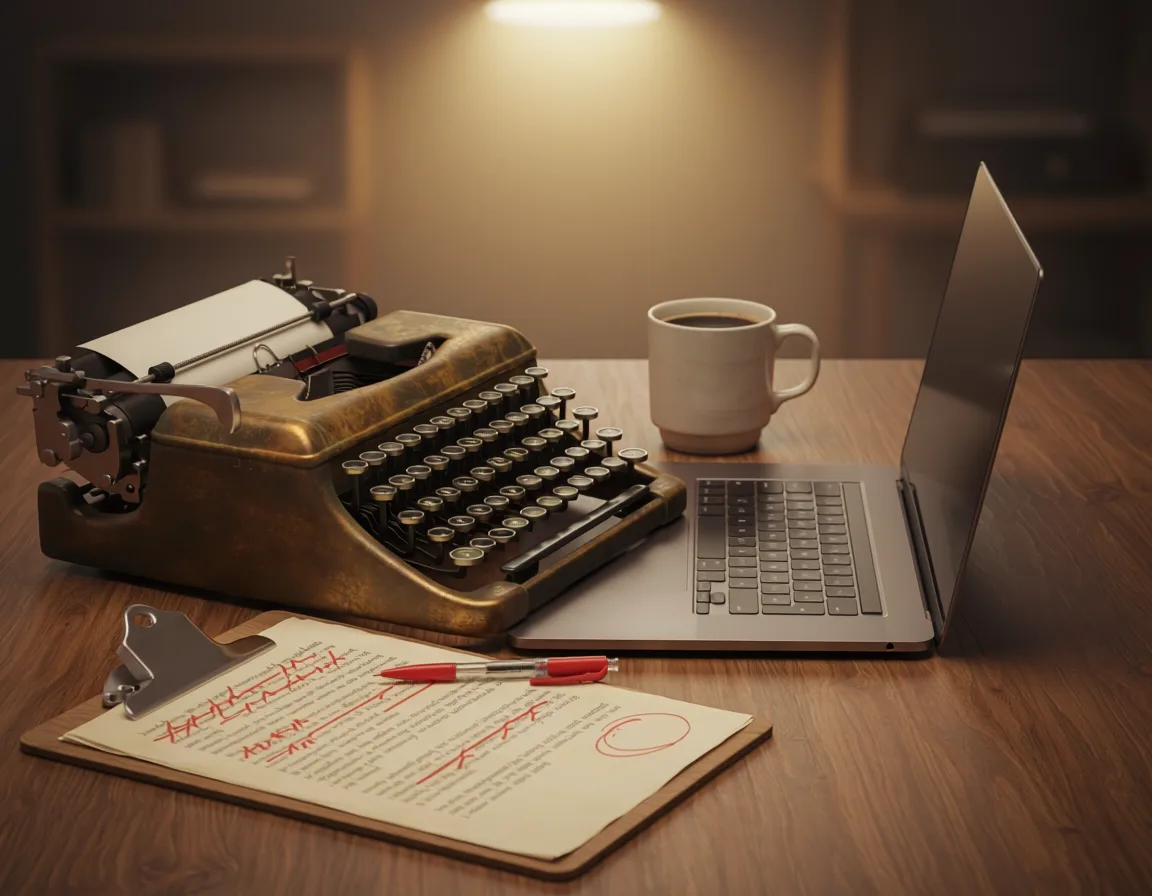
There's a pattern I keep seeing lately, and it has nothing to do with token costs or what the models can actually do. It's about business owners treating AI as something they can hand a task to and walk away from, rather than a tool they're still responsible for operating.
We've been here before. Word processors made typing faster and mistakes cheaper to fix. Nobody used that as a reason to stop reading what they'd written before it went out the door. The tool changed how the work got done; it didn't change who was accountable for the result. AI is the same kind of shift, just a bigger one, and it's easy to forget that the second half of that sentence still applies.
The pitch around AI right now doesn't help. It's sold as something that can run the whole task unattended: draft the email, handle the negotiation, close the loop. So business owners let it, and stop watching closely enough to notice when it's drifting. Customers who already carry some skepticism about AI notice immediately, and that skepticism curdles into something worse.
Here's what it looks like when that goes wrong.
A colleague of mine needed a contractor after a repair emergency at her house. She interviewed several, and one felt like the clear choice: responsive, seemed to know what he was doing, fair price. She works in tech herself, so when his emails came back obviously AI-written, that wasn't a dealbreaker on its own. Most people will overlook an AI-flavored email if the content underneath is solid.
The content wasn't solid. The emails made the same factual errors over and over, things she'd already corrected once. She'd fix a detail, get a reply, and watch the same wrong detail resurface two emails later. That's not really an AI problem so much as a nobody's-reading-this-before-it-sends problem, and it's the first version of the same mistake: whatever was drafting these emails wasn't being checked.
The contract is where it fell apart, and where it should have been checked hardest. There was real back-and-forth on a few clauses, including the for-cause termination clause, since that's the one that determines how much it costs to walk away if the work goes badly. Whatever setup this particular contractor was using, it kept producing legal text that didn't match what he and my colleague had actually agreed to on the phone. A verbal agreement would get made, and the next draft wouldn't reflect it. I won't pretend to know exactly what went wrong on his end, only that it went wrong more than once and nobody caught it before it reached her inbox.
By the time the negotiation had dragged past a week with the contract still shifting under her, that alone should have been a signal on his side. This deal was at risk, and it was time to get personally involved instead of sending another round through the tool. He never did.
On her side, something else was building. Every corrected detail, every clause that came back different from what they'd agreed to on the phone, chipped away at her confidence a little more. She wasn't counting the days, but by the end of that week she was reading his emails already braced for the next mistake.
That's the part that costs you the client. Hiring a contractor means trusting someone to do quality work on your home, one of the most personal things you own. A process that can't reliably carry an agreement from a phone call into a legal document breaks something more basic than tone, and no clean follow-up email fixes that after the fact.
She didn't hire him.
Notice what your AI is producing, and notice what your client is doing in response. Read what goes out under your name before it goes out, especially anything with legal weight. If you want it to sound like you and not like a template, give it your own past emails and proposals to work from. Pay attention to the signals a deal is slipping, too: a negotiation that's been circling the same clause for a week, a client asking more clarifying questions than they used to, replies that get shorter and slower. Those are the moments to step in yourself, not the moments to let the tool keep running.
Typewriters didn't write your letters for you, and word processors didn't either. AI doesn't change that arrangement. It just raises the cost of forgetting it.